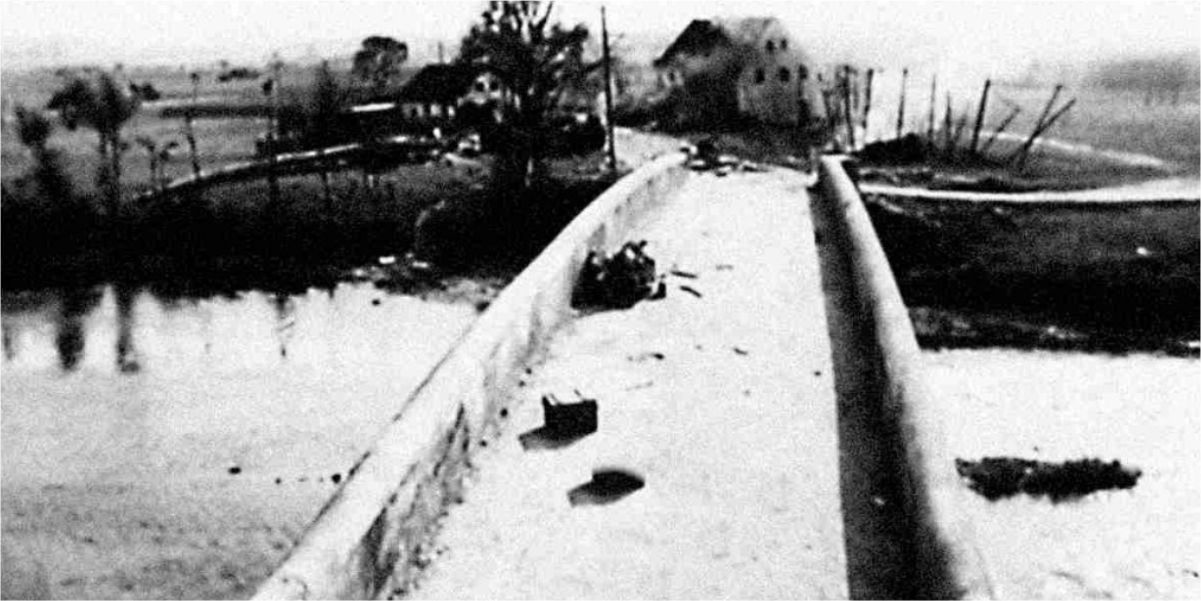
Save the Date25th German Film Award for Peace – The BridgeTuesday, 23 June 2026, 7:30 pm · Cuvilliés Theatre MunichLearn more
1919 – 2000

Bernhard Wicki

One of the most significant figures in 20th-century film and contemporary history – actor, director, photographer, contemporary witness.

In 1939 he was imprisoned as political prisoner no. 1780 in the Sachsenhausen concentration camp – an experience that shaped his life and his extensive cinematic and photographic work.

The actor and director gained international fame with his anti-war film “The Bridge” (1959), which to this day is considered one of the most powerful German-language films of its time – honoured among other things with the Golden Globe and nominated for the Oscar.

For his artistic work on peace and international understanding, Bernhard Wicki was honoured by the United Nations; his cinematic legacy has been included in the Haus der Geschichte in Bonn.

Wicki’s work is carried by an unconditional humanism, by the duty of remembrance and by the belief in the power of film to create awareness – against violence, against delusion, for the dignity of the individual.
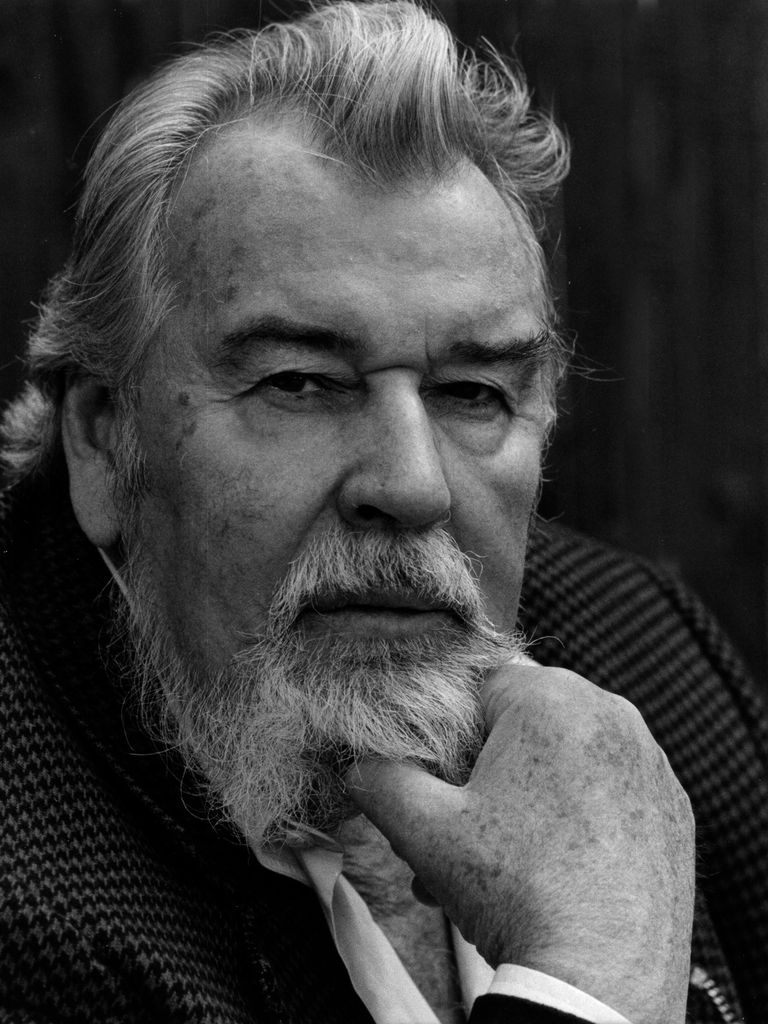
Bernhard Wicki – portrait
Biography

Stations of a life.

  1. 1919
    Born on 28 October in St. Pölten, Lower Austria. Father Swiss engineer, mother Austrian with Hungarian roots.
  2. 1938
    Studies in art history, history and German literature in Breslau; transfer to Gustaf Gründgens’ acting school in Berlin.
  3. 1939
    Imprisoned for several months as political prisoner no. 1780 in the Sachsenhausen concentration camp due to his membership in the Bündische Jugend (dj 1.11) – an experience “beyond all that can be said”, which shaped his life and work.
  4. 1940s
    Acting studies at the Max Reinhardt Seminar in Vienna. Theatre engagements in Bremen, Munich, Salzburg, Basel and Zurich. In 1945, marriage to Agnes Fink, Swiss citizenship. Friendship with Friedrich Dürrenmatt.
  5. 1950
    Return to the Bavarian State Theatre, film debut in “Der fallende Stern” – the start of a striking screen career.
  6. 1959
    “The Bridge” – Wicki’s most significant anti-war film: Goldene Schale, Filmband in Gold, Golden Globe, Oscar nomination.
  7. 1962
    Co-direction of the German segments of “The Longest Day” – Hollywood acknowledges his directorial class.
  8. 1971
    “Das falsche Gewicht” after Joseph Roth – a quiet, intense study of a life thrown off course. Goldene Kamera, Filmband in Gold.
  9. 1989
    “Das Spinnennetz” – late return to major feature filmmaking and his political legacy. Once again an Oscar nomination.
  10. 1995
    Second marriage to the actress Elisabeth Endriss.
  11. 1999
    Final public appearance on his 80th birthday – homage from companions and friends.
  12. 2000
    Died on 5 January in Munich. Buried in the Nymphenburg Cemetery. The Bernhard Wicki Memorial Fund e.V. was founded that same year.
Filmography

As director.

1958

Warum sind sie gegen uns?

Documentary – Filmband in Silber

1959

The Bridge

Goldene Schale · Golden Globe · Oscar nomination

1961

Das Wunder des Malachias

Silver Bear (Best Director), Berlinale

1962

The Longest Day

Co-director of the German segments

1964

The Visit

With Ingrid Bergman, Anthony Quinn – after Dürrenmatt

1965

Morituri

With Marlon Brando and Yul Brynner

1971

Das falsche Gewicht

After Joseph Roth – Goldene Kamera

1985

Die Grünstein-Variante

DEFA, with Wolfgang Kohlhaase

1987

Sansibar oder Der letzte Grund

Adolf Grimme Award in Gold

1989

Das Spinnennetz

After Joseph Roth – legacy and admonition

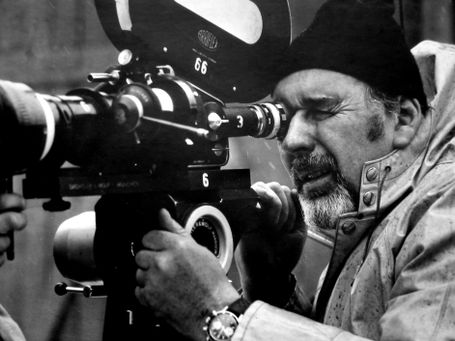
Bernhard Wicki behind the film camera
Bernhard Wicki as director

As actor – selection.

  • 1953Die letzte Brücke
  • 1955Es geschah am 20. Juli
  • 1955Kinder, Mütter und ein General
  • 1957Die Zürcher Verlobung
  • 1960La Notte / The Night
  • 1976Die Eroberung der Zitadelle
  • 1977The Left-Handed Woman
  • 1981Circle of Deceit
  • 1989Sommer in Lesmona
Honours

Recognition of a lifetime’s work.

  • Great Cross of Merit of the Federal Republic of Germany (1982)
  • Helmut Käutner Prize (1986)
  • Bavarian Film Prize (1989)
  • Berlinale Camera (1990)
  • Bavarian Order of Merit (1992)
  • Austrian Cross of Honour for Science and Art, First Class (2000)

In addition there are numerous further Filmbänder, the Schwabing Art Prize, the medal “München leuchtet” in gold, the UFA Honorary Award and the Adolf Grimme Award in Gold (1988) for “Sansibar oder Der letzte Grund”.

“Film cannot change or improve the world, but it can create a climate, and in that climate something can develop or change.”
– Bernhard Wicki
Founder and chair
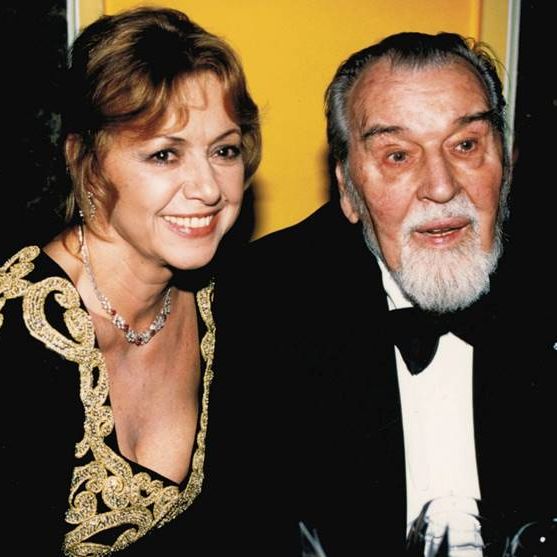
Elisabeth Wicki-Endriss with Bernhard Wicki

Guardian of a legacy.

In 2001, one year after the death of her husband, Elisabeth Wicki-Endriss founded the Bernhard Wicki Memorial Fund e.V.

As Bernhard Wicki’s widow and co-creator of his late work, she connects personal remembrance with cultural-political engagement: education, tolerance and international understanding are the guiding principles of her work. In 2007 she portrayed Bernhard Wicki’s life and work in the documentary “Verstörung – und eine Art von Poesie”.

Through lectures, book publications and film series she carries the legacy into cinemas, schools and universities. The central question is always how film can sensitise young people to the great questions of our time.

“It’s about stance. Bernhard understood his films as acts of civil courage. We must not lose this stance.”